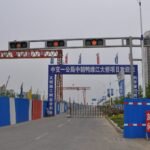

China has opened a joint airfield facility in Laos while construction continues at the site, drawing attention from regional governments and defence analysts concerned about Beijing’s growing military presence in Southeast Asia.
Located at Ban Keun, around 50 kilometres north of the Laotian capital, Vientiane, the facility is officially presented by China and Laos as a joint support and training centre intended to strengthen the training of Laotian air force pilots. However, satellite imagery reviewed by international news organisations indicates that the site could eventually support a broader range of military activities.
The development comes as China expands its security partnerships and infrastructure links across the region.
Satellite Images Show Construction Still Under Way
#Laos Below is the latest satellite image of the LPA’s Ban Keun Airport, more like Air Base, taken from a Le Monde article. Article: https://t.co/vrwARcBR6W https://t.co/brw5qsF945
— T-55AM1 (@T_55AM1_) October 7, 2026
Satellite imagery examined by Reuters and the Associated Press shows a runway approximately 2,000 metres long, a parallel taxiway and an aircraft parking area. Construction activity was still visible in imagery captured around the end of September and early October.
Reuters reported that satellite images showed eight aircraft believed by analysts to be Chinese-made K-8 light attack jets, along with military support vehicles. The aircraft type can be used for training and has light-attack capabilities.
Analysts have also identified space that could allow the runway to be extended. A longer runway could potentially accommodate larger aircraft, although the facility’s future configuration and operational role remain uncertain.
China and Laos Describe the Facility as a Training Centre
China’s Ministry of National Defence announced that the China-Laos Joint Support and Training Center and the China-Laos Friendship Aviation Academy began operations on September 29, 2026.
Beijing says the facilities are intended to help Laos improve air-force pilot training and deepen military cooperation between the two countries. China has also said the project is not directed against any third party.
The facility is jointly maintained and operated by the two sides, according to China’s defence ministry. However, public information about the precise division of responsibilities, personnel arrangements and long-term operational plans remains limited.
Why Vietnam Is Watching Closely
The airfield’s location has attracted particular attention in Vietnam, which has longstanding territorial disputes with China in the South China Sea.
Defence analysts say the facility could give Beijing additional logistical options and experience operating military facilities outside Chinese territory. Its significance would depend on future deployments, infrastructure development and the extent of Chinese access.
The airfield does not, by itself, establish that China will permanently station combat forces in Laos or use the facility for offensive operations. Those questions remain unresolved.
Strategic Importance Beyond Laos
The facility also adds to China’s broader network of overseas military and security partnerships, which includes a logistics base in Djibouti and cooperation at Cambodia’s Ream naval facility.
Laos is a landlocked country with close economic and political ties to China. Major Chinese-backed infrastructure projects, including a railway linking Laos with China’s Yunnan province, have strengthened connectivity between the neighbours.
Analysts say these links could make it easier to support activity at the airfield. Nevertheless, its actual military significance will depend on how the site develops and what equipment and personnel are eventually deployed there.
What Happens Next?
Regional governments and security researchers are likely to monitor further satellite imagery for signs of runway expansion, aircraft deployments, fuel and ammunition storage, air-defence systems or surveillance infrastructure.
Such developments could provide a clearer indication of whether the site remains focused primarily on training or takes on additional military functions.
For now, China and Laos describe the facility as a joint training and support project, while analysts continue to assess its possible long-term implications for Southeast Asian security.