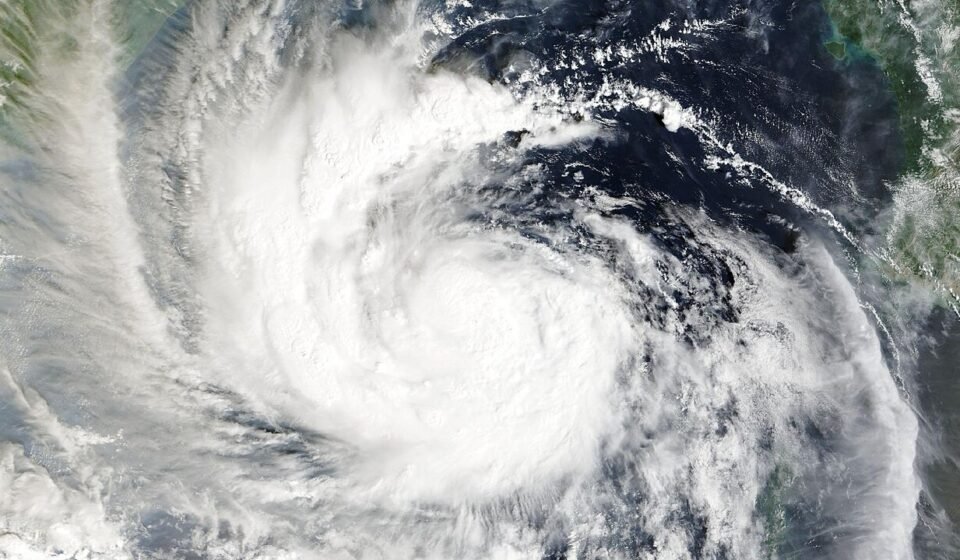

India has stepped up emergency preparations along its eastern coastline as Cyclone Arnab strengthens over the Bay of Bengal, prompting large-scale evacuations in Andhra Pradesh and precautionary measures in neighbouring Odisha. Authorities are moving residents away from vulnerable coastal and low-lying areas ahead of the storm’s expected landfall on Wednesday, October 28.
At least 89,000 people had been evacuated from vulnerable areas of Andhra Pradesh by Tuesday, according to an Associated Press report. The India Meteorological Department (IMD) has warned that the storm could bring destructive winds, intense rainfall and dangerous coastal conditions. Officials are coordinating evacuation operations, emergency shelter arrangements and the deployment of disaster-response teams to reduce the risk to life and property.
Cyclone Arnab Expected to Reach Andhra Pradesh on Wednesday
Cyclone Arnab developed over the Bay of Bengal and intensified as it moved towards India’s eastern coast. The IMD has forecast that the storm will cross the Andhra Pradesh and Yanam coastline between Bapatla and Visakhapatnam by the forenoon of October 28.
The forecast indicates sustained wind speeds of approximately 115–125 kilometres per hour, with gusts potentially reaching 140 kilometres per hour. These conditions could damage vulnerable buildings, disrupt electricity supplies, uproot trees and affect transport infrastructure.
The precise location and intensity of landfall can change as the storm approaches. Residents should therefore follow the latest official weather bulletins and district-level instructions rather than relying on a single forecast.
Thousands Moved Away From High-Risk Areas
Evacuation efforts are focused on communities exposed to coastal flooding, strong winds and heavy rainfall. Authorities have been arranging accommodation in cyclone shelters and other safer buildings while coordinating emergency assistance.
The scale of the operation reflects the number of people potentially exposed to the storm. More than 12 million people live along its projected path, according to reporting on the disaster preparations. However, that figure represents the wider population in the forecast corridor, not the number of people expected to be evacuated.
The central government has reviewed preparedness through the National Crisis Management Committee. Officials have reported that shelters and evacuation arrangements are being prepared, district control rooms are active, and disaster-response teams are on standby. The stated priority is to prevent deaths and minimise damage to homes, infrastructure and essential services.
Odisha Also Prepares for Heavy Rain and Flooding
The threat extends beyond Andhra Pradesh. Odisha is preparing for heavy rain and hazardous weather in districts that could be affected by the cyclone’s movement and associated rain bands.
Authorities in Odisha have announced plans to evacuate around 48,000 people from areas considered at risk, according to reports published on Tuesday. The state has also taken precautionary steps involving educational institutions and activities along the coast. These measures are intended to reduce public exposure as weather conditions deteriorate.
The impact will depend on the cyclone’s final track, the distribution of rainfall and the condition of local drainage systems. Low-lying communities may face flooding even in places that do not experience the strongest winds.
Train Services Disrupted as Emergency Measures Expand
The approaching cyclone has begun affecting transport arrangements. Railway authorities have cancelled some services and suspended operations on selected routes along the eastern and southern coastal regions.
At least 12 trains were reported cancelled, while services on 53 routes were suspended for Tuesday and Wednesday, according to regional railway announcements cited in reports. Travellers have been advised to check official railway updates before leaving for stations, as schedules may change with little notice.
Fishing communities are also facing restrictions. The central government has said fishermen should not venture into the affected waters and that vessels already at sea have been directed to return. The Coast Guard and other agencies are coordinating measures to bring boats and ships towards safer locations.
What the Storm Could Mean for Residents
The main immediate risks include strong winds, flooding, damage to buildings, falling trees and interruptions to electricity and communications. Heavy rainfall could also affect roads, agriculture and local water systems. In coastal areas, dangerous sea conditions may threaten fishing boats and people who approach beaches or waterfronts.
The disruption could continue after landfall. Flooded roads may delay emergency teams, while damage to power lines and mobile networks could make it harder for residents to obtain updates or contact relatives. Local authorities may need to prioritise restoring transport links, electricity, drinking water and medical services once conditions become safe.
People in threatened areas should follow evacuation orders promptly, avoid flooded roads and keep away from beaches, rivers and other exposed locations during the storm. Essential medicines, drinking water, identification documents, charged phones and basic emergency supplies can help households manage temporary displacement.
Central Agencies on Standby
The national preparedness review has involved central ministries, state administrations, the IMD, the National Disaster Response Force and other emergency services. Rescue and relief resources from the armed forces and the Indian Coast Guard have also been kept ready to assist if required.
These preparations are particularly important because the effects of a cyclone can extend well inland. Heavy rain may trigger flooding far from the point of landfall, while damaged roads and power infrastructure can complicate relief operations.
The government has also warned that heavy rainfall could affect areas beyond the immediate coastal belt, including parts of Telangana, Chhattisgarh, eastern Uttar Pradesh and Bihar. The extent of those effects will depend on the cyclone’s movement after crossing the coast.
What Happens Next?
Wednesday’s expected landfall will be the key stage in determining the immediate damage and the areas requiring urgent assistance. Forecasts remain subject to change, and authorities are continuing to monitor the storm’s movement and intensity.
For residents in the affected districts, the priority is to heed official warnings and move to designated shelters when instructed. For emergency services, the immediate tasks are to complete evacuations, protect vulnerable communities and prepare for rescue and recovery operations.
Cyclone Arnab’s approach is a major test of disaster preparedness along India’s eastern coastline. The effectiveness of the response will depend not only on the strength and track of the storm, but also on timely warnings, public cooperation and the speed with which essential services can be restored afterwards.


