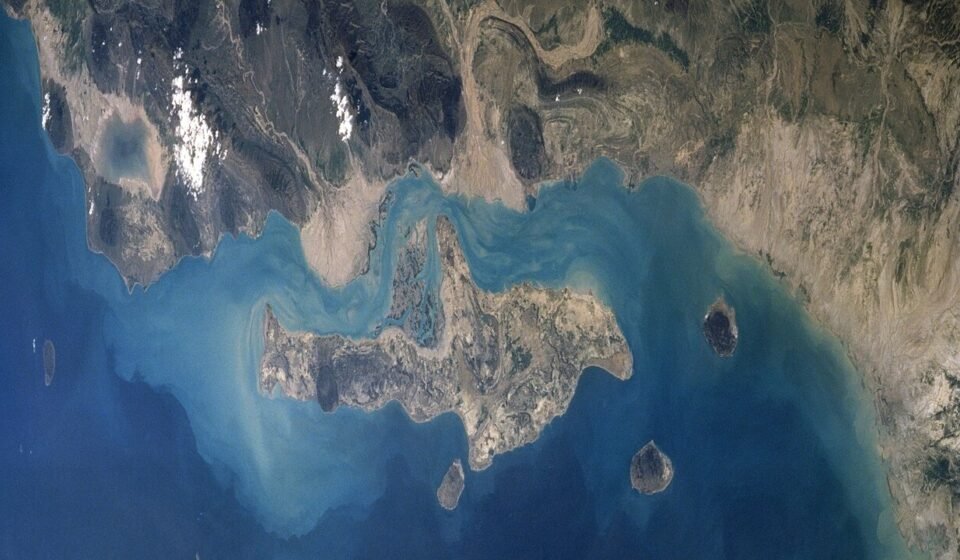

A series of explosions was reported early Tuesday on Iran’s Qeshm Island and near the southern coastal city of Bandar Lengeh, raising fresh concerns about security around the strategically important Strait of Hormuz. Iranian media reported five blasts on Qeshm Island, while separate reports described explosions coming from the direction of the sea near Bandar Lengeh. The cause of the incidents remained unclear, and there was no immediate official confirmation of casualties or damage.
Qeshm Island lies in the Persian Gulf near the Strait of Hormuz, a narrow maritime passage connecting the Gulf with the Gulf of Oman. Bandar Lengeh, located in Iran’s Hormozgan province, is another coastal location along the same strategically sensitive stretch of water.
The reports emerged at a time when tensions between Iran and the United States remain high and diplomatic efforts are continuing to prevent a wider confrontation.
Five Explosions Reported on Qeshm Island
Iran’s state news agency IRNA reported that five explosions were heard on Qeshm Island in quick succession. Some local residents reportedly saw two aircraft flying over the island, although the reports did not establish whether the aircraft were connected to the blasts.
The initial information did not clarify whether the explosions resulted from an attack, an air-defence response, an incident at a military installation or another cause. Iranian local and provincial authorities had not immediately provided a comprehensive account of what happened.
The distinction is important because the sound of an explosion alone does not establish that a particular location was targeted. Without verified information about the source, the circumstances surrounding the incident remain uncertain.
Separately, Iran’s semi-official Fars news agency reported explosions coming from the direction of the sea near Bandar Lengeh. The available reports did not establish whether the sounds near Bandar Lengeh and those heard on Qeshm Island were connected.
There was also no immediate independently verified information confirming damage to civilian infrastructure, military facilities or vessels.
Iranian Reports Mention Drone Incidents
The reports of explosions came amid separate claims by Iran’s Islamic Revolutionary Guard Corps (IRGC) concerning unmanned aircraft near the Strait of Hormuz.
According to reports carried by Iranian media, the IRGC said its forces had brought down US drones in the area. Iranian accounts referred to two smaller MQM-170 reconnaissance drones reportedly brought down south of Qeshm Island and an MQ-9 drone said to have been destroyed farther east near the Strait of Hormuz.
These claims have not, by themselves, established the cause of the explosions reported on Tuesday. Nor do they independently confirm that the blasts were the result of a new attack on the island.
The distinction between the drone claims and the reported explosions is important. The incidents may be related, but publicly available information had not established a definitive connection. A clear assessment would require further details from the relevant authorities and independent verification.
No immediate US confirmation of the reported drone losses was included in the initial accounts reviewed for this report.
Why Qeshm Island Matters
Qeshm is Iran’s largest island and occupies a strategic position near the Strait of Hormuz. Its location makes the surrounding waters important for maritime traffic, regional security and military monitoring.
The Strait of Hormuz is one of the world’s most significant energy-shipping routes. Oil and other energy supplies moving from Gulf producers to international markets depend heavily on safe passage through the area.
Any confirmed military incident near the waterway can therefore attract international attention, particularly when relations between regional powers and the United States are strained. Shipping companies may monitor security advisories closely, while insurers and energy traders assess whether an incident could affect vessel movements or operating costs.
However, the latest reports do not establish that commercial shipping was disrupted because of the explosions. Any claim of a closure, blockade or confirmed interruption to maritime traffic would require separate evidence.
Explosions Come Amid Continuing Diplomatic Efforts
The reports also emerged while Tehran and Washington were exchanging messages through intermediaries, including Qatar, in an effort to address the wider conflict.
Iranian officials have said diplomatic communication remains open despite disagreements over maritime security, US restrictions on Iranian ports and other conditions linked to a potential settlement. Recent discussions in Doha ended without a breakthrough, but both sides have continued to explore diplomatic options.
The explosions could complicate efforts to reduce tensions if subsequent evidence links them to military action. For now, however, it would be premature to conclude that the incidents represent the collapse of negotiations or the beginning of a new phase of fighting.
Diplomatic channels can remain active even during periods of heightened security concerns. The key question is whether the parties can prevent an uncertain incident from triggering retaliation before its circumstances are established.
What Happens Next?
Authorities will need to clarify where the explosions occurred, what caused them and whether anyone was injured. Further information about the reported aircraft and the separate drone claims may also help establish whether the incidents were connected.
For commercial shipping, the immediate concern is whether maritime authorities issue new safety guidance or report any direct threat to vessels operating near the Strait of Hormuz. For regional diplomacy, the priority will be to avoid escalation while the facts are still emerging.
Analysis: The location of the reported explosions makes the incident strategically significant, but its wider implications will depend on verified details. If the blasts prove to be connected to military activity, they could add pressure to an already tense security environment. If they have a different explanation, early speculation about an attack could unnecessarily increase uncertainty.
As of the initial reports on November 3, the cause of the explosions remained unknown. No confirmed casualty figures or damage assessments had been announced, and a direct link between the blasts and the reported drone incidents had not been established. Further official information will be necessary before drawing firm conclusions about what happened along Iran’s southern coast.