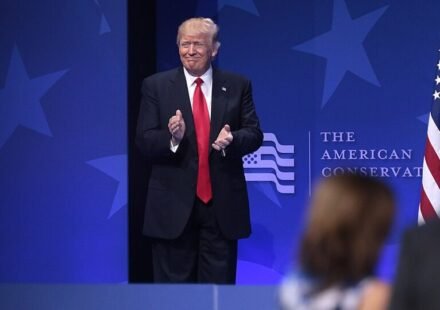
Trump’s ‘Paris Will Be Muslim City’ Remark Sparks Debate Amid France Unrest

US President Donald Trump has renewed his criticism of France’s immigration policies, claiming that “Paris is going to be a Muslim city very soon” as unrest and violent demonstrations continue to draw attention across the country.
Speaking to reporters in Washington on Monday, October 19, Trump linked the disorder to immigration and urged French President Emmanuel Macron to tighten border controls. His remarks have added an international political dimension to France’s domestic crisis, with migration and religious identity once again becoming central to the debate.
The comments came after demonstrations over rising living costs and public services escalated into violence, looting and clashes with police in several French cities.
Trump Blames Immigration for France’s Unrest
Trump said he had warned Macron that allowing people from around the world to enter France was a mistake. He argued that the French president should have closed the country’s borders earlier and presented the unrest as evidence of the consequences of immigration policies.
The US president also warned that Europe faced serious consequences if governments failed to tighten border controls and remove people they considered criminals.
Trump’s remarks reflect his long-standing criticism of immigration into European countries. However, his prediction about Paris becoming a Muslim city was a political assertion, not a verified demographic forecast.
He did not present demographic evidence to substantiate the claim during his remarks.
What Is Behind the Protests in France?
France has experienced widespread demonstrations in recent days, with grievances including the rising cost of living, deteriorating public services and concerns about conditions in schools.
Student-led protests had previously highlighted shortages of teachers and staff, overcrowded classrooms and problems with school facilities. The demonstrations subsequently broadened, while violent groups and looters contributed to confrontations and property damage in some locations.
The different grievances have complicated attempts to explain the unrest through a single cause. Although Trump attributed the violence primarily to immigration, reporting on the protests has also documented economic and public-service concerns.
No evidence presented in Trump’s remarks established that the demonstrations as a whole were driven by Muslim communities or religious demands.
Curfews and Security Measures
French authorities have faced pressure to restore order following a weekend of serious disturbances. Localised curfews and restrictions have been imposed in parts of several cities, while police have stepped up security measures.
Reports published on October 19 described thousands of arrests and extensive damage to businesses and public property. The scale of the disruption has raised concerns among shopkeepers, residents and local officials about public safety and the economic consequences of prolonged unrest.
French authorities have also faced the challenge of distinguishing peaceful demonstrators from people involved in violence and criminal damage.
The government’s response has become a domestic political issue, with competing explanations for the unrest and disagreement over how best to restore public order.
Immigration Debate Takes Centre Stage
Trump’s comments have intensified discussion over immigration, integration and national identity in Europe. Immigration policy remains a divisive issue across the continent, particularly as governments face pressure over public services, economic conditions and border management.
However, claims about the religious composition of a city require reliable demographic evidence. A statement predicting that Paris will soon become a Muslim city should not be treated as an established fact without supporting data.
France’s political debate also involves questions about economic inequality, the quality of public services and the relationship between the government and younger protesters. These issues cannot be resolved simply by attributing the unrest to one religious or demographic group.
What Happens Next?
French authorities are continuing efforts to contain the violence, protect businesses and restore normal life in affected areas. The government also faces pressure to address the grievances that helped fuel the demonstrations.
Trump’s intervention has brought additional international attention to the crisis and highlighted differences between the US president’s explanation of the unrest and accounts that emphasise economic, educational and public-service concerns.
The situation remains fluid, and the longer-term political impact will depend on developments on the ground and the French government’s response.
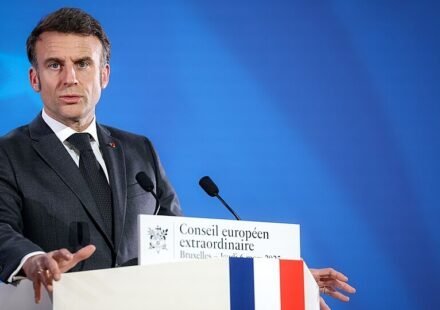
Macron Vows Action Against ‘Sowers of Chaos’ as France Protests Turn Violent
French President Emmanuel Macron has vowed strict action against people responsible for violence, looting and attacks on public buildings after nationwide protests over the cost of living and deteriorating public services escalated into unrest in several cities.
In a statement posted on social media late Saturday, Macron said those who attacked public institutions and businesses or took part in looting would face prosecution and punishment. He also condemned what he described as “sowers of chaos,” accusing them of undermining public institutions and preventing peaceful demonstrators from expressing their demands.
The protests, held on October 17, brought together students, trade union members and other demonstrators across France. While many marches remained peaceful, some gatherings were overshadowed by clashes with police, fires and damage to shops and public buildings.
Paris Activates Crisis Response
Authorities in Paris faced a challenging security situation as unrest spread through parts of the capital. The supplied report says the city activated a crisis unit amid the nationwide demonstrations.
Police used tear gas during confrontations with groups of protesters, while some businesses were reportedly looted and vehicles set on fire. Public buildings and commercial properties were also targeted in other French cities.
The incidents prompted renewed concerns about maintaining public order while protecting the right to peaceful assembly.
Hundreds Arrested as Violence Spreads
French authorities reported around 400 arrests following violent incidents during Saturday’s demonstrations, according to reports published after the protests. The precise number may change as police operations and investigations continue.
Violence was reported in several cities, including Paris, Lyon, Marseille and Limoges. In Limoges, the city hall was set ablaze, while other public and commercial buildings suffered damage elsewhere.
The unrest has also raised concerns about injuries to demonstrators and police officers. Questions about police tactics and the use of crowd-control weapons have added to tensions surrounding the protests.
Rising Living Costs Fuel Public Anger
The demonstrations grew out of student-led protests that began in and around Paris last month. Initial concerns about teacher shortages and poor school facilities developed into broader demands involving living costs, public spending, inequality and the quality of public services.
Students, unions and other groups have expressed frustration over economic pressures and what they see as inadequate government action. The demonstrations have also revived memories of France’s earlier Yellow Vest movement, which mobilised citizens against living costs and government economic policies.
Although the protests have included a range of political and social demands, the violence has complicated efforts to distinguish peaceful demonstrators from people involved in criminal acts.
Government Defends Peaceful Protest, Condemns Violence
Macron said peaceful demonstrations have a legitimate place in French democracy but insisted that attacks, arson and looting would not be tolerated. He also expressed support for law-enforcement personnel responsible for protecting public order.
Prime Minister Sébastien Lecornu similarly condemned the violence and warned that the government would not allow political groups or individuals to use unrest to impose their agenda.
The government now faces the challenge of responding firmly to criminal activity while addressing the grievances that brought large numbers of people onto the streets.
Political Pressure Builds Ahead of Elections
The latest unrest comes as France faces mounting economic and political pressures ahead of the 2027 presidential election. The protests highlight divisions over living standards, public services, government spending and the direction of national policy.
The coming days will be important in determining whether tensions ease or further demonstrations take place. Investigations into the attacks and damage are expected to shape the authorities’ response.
For Macron’s government, the immediate priorities are restoring public order, holding those responsible for violence accountable and preventing further escalation without undermining the right to peaceful protest.