
The United States has expanded its economic pressure campaign against Iran by imposing fresh sanctions on major Iranian automotive and railway companies, along with foreign suppliers linked to the sectors.
The measures, announced by the U.S. Treasury Department on Thursday, October 1, are part of Washington’s broader “Operation Economic Outcast”, which seeks to restrict Tehran’s sources of revenue and economic support for its military activities, missile programs, cyber operations and the Islamic Revolutionary Guard Corps (IRGC).
The latest action comes as restrictions on shipping through the Strait of Hormuz have disrupted Iran’s maritime oil trade. With sea routes under severe pressure, Tehran has increasingly relied on land-based transportation networks to move petroleum products, fertilizer, chemicals and other goods.
Major Iranian automakers targeted
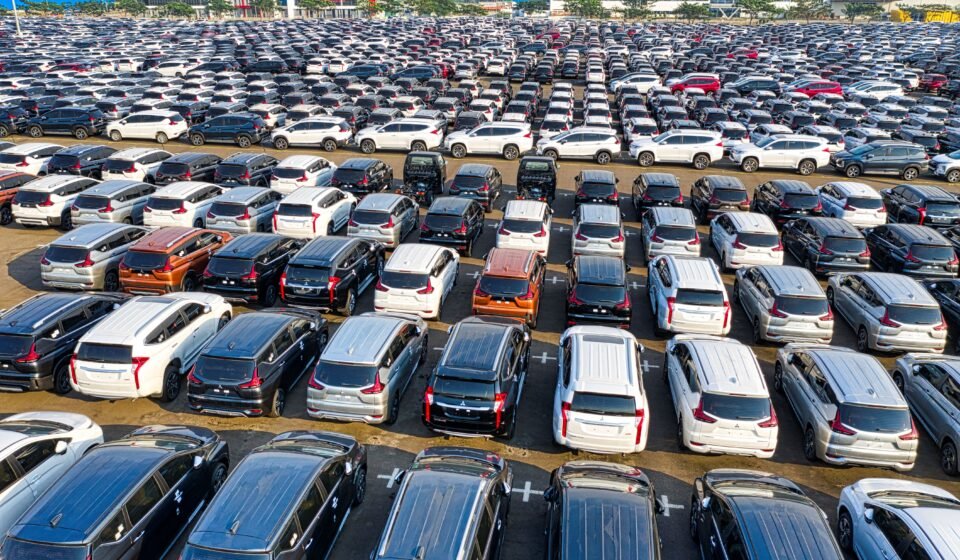
The Treasury Department designated two of Iran’s largest automakers, Iran Khodro Company (IKCO) and SAIPA Iranian Automobile Manufacturing Company.
According to the Treasury, the two companies account for more than 90% of Iran’s domestic automotive market. Washington also targeted foreign companies in Indonesia, the United Arab Emirates and Turkey that it says supply Iran’s automotive industry.
The sanctions are intended to restrict the companies’ ability to access the international financial system and maintain commercial relationships that could support Iran’s economy.
Railway companies also sanctioned
The new measures extend beyond the automobile industry to Iran’s railway network.
The U.S. Treasury designated the Islamic Republic of Iran Railway Company, which provides passenger and freight services, as well as Raja Passenger Trains Company.
Another company, known as the Railway Transportation Company, was also designated. Treasury described it as a major private freight railway operator.
Washington’s action reflects the growing importance of Iran’s land transportation system as maritime trade faces restrictions.
Hormuz blockade puts pressure on Iran’s trade
The sanctions come against the backdrop of a prolonged confrontation over the Strait of Hormuz, one of the world’s most important energy shipping routes.
U.S. restrictions on Iranian oil shipments have significantly constrained Tehran’s ability to move petroleum by sea. As a result, Iran has increasingly depended on alternative transportation networks to move goods inside the country and toward regional markets.
The Strait of Hormuz is strategically important because it connects the Persian Gulf with the Gulf of Oman and the wider Arabian Sea. Disruptions in the waterway can have consequences beyond Iran by affecting global energy and shipping markets.
Washington says sanctions target Iran’s revenue networks
U.S. Treasury Secretary Scott Bessent said the latest measures were aimed at companies and networks that Washington considers important to Iran’s economic and military capabilities.
The Treasury said the sanctions are designed to further reduce Tehran’s access to revenue and economic infrastructure while increasing pressure for negotiations.
The U.S. campaign began earlier with sanctions targeting Iran’s oil trade and networks accused of helping Tehran evade existing restrictions. The latest action represents an expansion of that pressure into major domestic industrial and transportation sectors.
Economic impact could extend to civilians
While Washington says the sanctions are intended to pressure the Iranian government, analysts have warned that broader restrictions can also affect ordinary people.
The automotive sector is a major part of Iran’s domestic economy, while railways play an important role in moving passengers and freight. Restrictions affecting companies in these sectors could therefore have wider economic consequences, including potential effects on employment, transportation and supply chains.
The extent of the impact will depend on how effectively the sanctioned companies can maintain domestic operations and whether foreign suppliers continue doing business with Iran.
Sanctions widen U.S. economic campaign
The latest measures show that Washington’s pressure campaign is no longer focused only on Iran’s oil industry.
By targeting automobiles, railways and foreign suppliers, the United States is attempting to restrict alternative channels that Iran can use to keep its economy functioning while maritime trade remains constrained.
Iran’s response to the latest sanctions and their longer-term effect on domestic industries remain to be seen.
Source attribution: This report is based on reporting by Reuters and information released by the U.S. Department of the Treasury. The economic effects described above include analysis and potential consequences; they should not be interpreted as established outcomes.