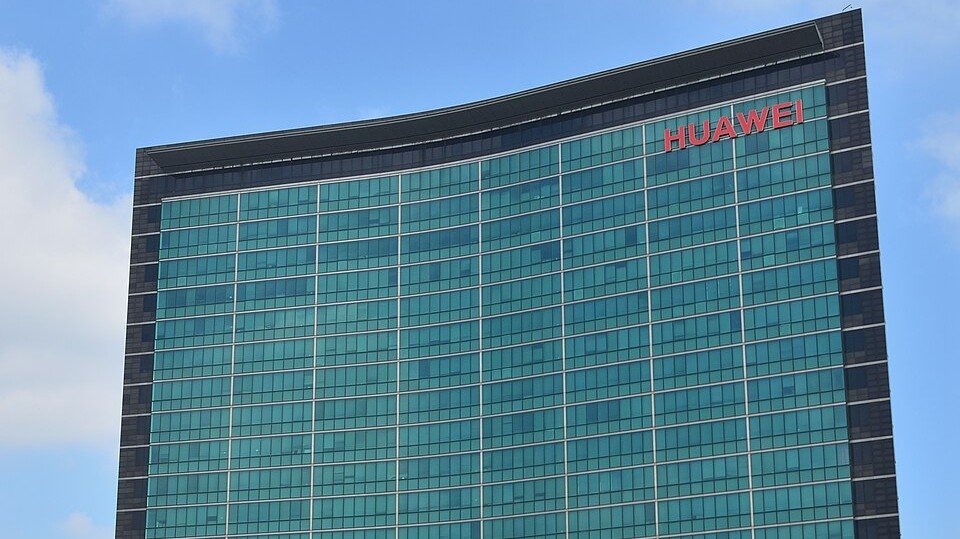

Chinese telecommunications giant Huawei and three of its subsidiaries have been convicted in a major criminal case in the United States involving the company’s business activities in Iran, alleged bank fraud and the theft of trade secrets from American technology companies.
A federal jury in Brooklyn, New York, returned guilty verdicts on November 24, 2026, after a trial that examined allegations dating back more than two decades. The case focused on whether Huawei concealed the nature of its Iranian operations from financial institutions and used confidential information belonging to US businesses to strengthen its own technology operations.
The verdict is a significant legal setback for one of China’s largest technology companies. However, the jury did not accept every charge brought by prosecutors, and Huawei has indicated that it intends to challenge the outcome.
Key Highlights
• Huawei and three subsidiaries were convicted following a lengthy federal trial in Brooklyn.
• The case involved Iran-related sanctions violations, bank fraud, money laundering and theft of US trade secrets.
• The jury rejected the racketeering conspiracy charge and a conspiracy charge related to obstruction of justice.
• Sentencing is scheduled for September 14, 2027, and Huawei expects to appeal.
What the US Jury Decided
The jury found Huawei and its subsidiaries guilty on multiple criminal counts involving sanctions violations, financial fraud and conspiracy to steal trade secrets. The case included allegations that the company misled banks about its Iranian business relationships and obtained access to financial services through inaccurate statements.
The jury also found the defendants guilty of offences connected to the use of confidential intellectual property belonging to American companies. Prosecutors argued that Huawei’s conduct was not limited to isolated commercial disputes but formed part of a wider effort to expand its telecommunications business through unlawful methods.
However, the verdict was not a complete victory for the prosecution. Jurors acquitted Huawei of racketeering conspiracy, a charge that alleged the company operated as a criminal enterprise. They also rejected a conspiracy charge related to obstruction of justice.
This distinction is important because the jury accepted several serious allegations while declining to endorse every element of the government’s case. The final financial and legal consequences will depend on the sentencing process and any subsequent appeals.
How Iran Became the Centre of the Case
A central part of the prosecution concerned Huawei’s activities in Iran. US authorities alleged that the company conducted business in the country through an entity called Skycom and misrepresented the relationship between the two organisations.
According to the government’s case, Huawei described Skycom as a business partner rather than a wholly owned subsidiary. Prosecutors argued that this description concealed the extent of Huawei’s involvement in Iran and helped the company maintain relationships with international banks.
The case also examined whether Huawei continued activities in Iran despite restrictions imposed by the United States. American sanctions can restrict financial transactions involving designated countries and entities, including the use of US-dollar payment systems.
Prosecutors said Huawei’s statements to banks and other parties were materially misleading. They argued that the company used those representations to obtain access to billions of dollars in financial services and international banking facilities.
The jury’s verdict found the defendants guilty of offences connected to sanctions violations and financial fraud. The decision gives the US government a criminal conviction in a dispute that has remained active for years.
Allegations of Technology Theft From US Companies
The trial also examined allegations that Huawei obtained confidential technology and business information from American companies.
One of the examples presented involved T-Mobile’s testing robot, known as Tappy. The device was designed to imitate human finger movements and test the responsiveness of smartphone touchscreens.
Prosecutors alleged that Huawei employees obtained confidential information about the robot while the companies were involved in a business relationship. The information was protected by a non-disclosure agreement, which restricted how it could be used.
Other evidence concerned confidential material connected to American technology businesses, including antenna technology and storage-related hardware. Prosecutors argued that Huawei used information supplied under commercial arrangements for purposes beyond what had been authorised.
The case also involved allegations relating to proprietary source code, technical documents and user manuals. The jury’s guilty verdict on trade-secret conspiracy charges means the prosecution succeeded in establishing criminal liability on that part of the case.
For technology companies, the decision highlights the legal risks surrounding confidential research, commercial partnerships and access to proprietary engineering information.
Huawei Rejects the Outcome and Plans to Appeal
Huawei expressed disappointment with the verdict and indicated that it expects to appeal. The company’s legal position has been that banks were aware of its Iranian business activities and that prosecutors had presented individual incidents as evidence of wider corporate wrongdoing.
Huawei’s lawyers also pointed to the acquittal on the racketeering conspiracy charge, arguing that the outcome supported the company’s position on its compliance practices.
The appeal process could examine legal questions arising from the trial, the evidence admitted in court and the jury’s findings. An appeal does not automatically erase the convictions, and the company will remain subject to the court process unless the verdict is overturned or otherwise changed.
The case involved Huawei and three subsidiaries, rather than a trial of individual executives. The earlier US charges against Huawei’s chief financial officer, Meng Wanzhou, were resolved separately through a deferred prosecution agreement in 2021.
The Long Legal History Behind the Verdict
The case began in 2018, when US authorities pursued allegations concerning Huawei’s Iranian operations and its dealings with banks. The dispute became an international diplomatic issue after Meng Wanzhou was detained in Canada in December that year under a US warrant.
Meng, the daughter of Huawei founder Ren Zhengfei, fought extradition to the United States for nearly three years. She eventually entered a deferred prosecution agreement and returned to China in September 2021. The charges against her were later dropped under that arrangement.
In 2019, the US government placed Huawei on its trade blacklist, restricting the company’s access to certain American technology and components. Those restrictions created significant challenges for the company, particularly in areas involving advanced chips and technology supply chains.
The latest criminal verdict is separate from those trade restrictions. It deals with criminal liability established in a federal court, rather than simply the administrative limits placed on Huawei’s ability to purchase American products.
What Happens Next for Huawei?
The next major stage is sentencing, currently scheduled for September 14, 2027. The court will consider the applicable sentencing guidelines and other legal factors before determining financial penalties and any additional consequences.
The defendants could face criminal fines, forfeiture and restitution. The exact amounts have not yet been determined, and the potential financial impact should not be treated as settled before the judge issues the sentence.
Huawei’s appeal plans could extend the legal battle beyond the sentencing hearing. The company will also need to manage the consequences of the verdict for its relationships with customers, suppliers and financial institutions.
Strategic & Future Implications
The conviction adds another layer to the technology and trade tensions between Washington and Beijing. US authorities have repeatedly raised concerns about Huawei’s access to sensitive technology, data infrastructure and international markets. The criminal verdict gives those concerns a new legal dimension, although the jury’s rejection of two conspiracy charges shows that the prosecution did not secure every finding it sought.
For global technology businesses, the case may increase scrutiny of operations in countries subject to US sanctions and of the information exchanged during commercial partnerships. Banks and suppliers could examine compliance procedures more closely when dealing with companies that operate across several jurisdictions.
Huawei’s long-term business position will depend on more than this verdict alone. Its ability to appeal, the penalties imposed by the court and its continued expansion in areas such as artificial intelligence and telecommunications will shape the commercial consequences. For now, the November 24 decision represents a major legal development, but the final outcome remains subject to sentencing and further court proceedings.