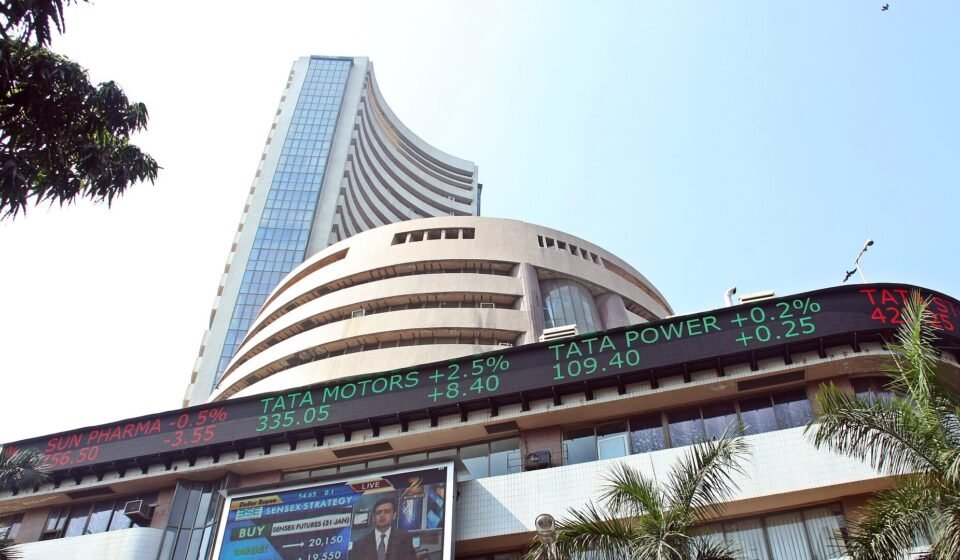

Indian stock markets are preparing to resume trading on Wednesday, November 25, after remaining closed for Guru Nanak Jayanti on Tuesday. Investors are returning to a market that experienced a sharp sell-off in the previous session, while overnight developments across the United States and Asia have created a mixed picture for the domestic benchmarks.
GIFT Nifty is signalling a potentially positive opening for the Sensex and Nifty 50. However, heavy selling in Asian technology shares, weakness on Wall Street and renewed concerns about artificial intelligence valuations could limit confidence. Easing crude oil prices and provisional institutional investment figures may offer some support.
The immediate question for traders is whether domestic shares can recover from Monday’s decline despite the pressure coming from international markets.
Key Highlights
• GIFT Nifty traded near 25,740, indicating a higher opening for Indian benchmarks.
• South Korea’s Kospi and Japan’s Nikkei recorded notable declines amid technology-sector weakness.
• The Nasdaq Composite lost 1.48% as investors reduced exposure to major technology stocks.
• Brent crude traded around $91 per barrel, while the rupee had previously closed weaker against the US dollar.
1. GIFT Nifty Signals a Positive Start After the Market Holiday
GIFT Nifty was trading around 25,739–25,743 in early Wednesday trade, indicating an opening above the previous Nifty futures settlement level. The futures movement suggests that Indian benchmarks could attempt an initial recovery when regular trading begins at 9:15 am.
The domestic market’s previous session was Monday, November 23. The Sensex declined 1,483.72 points, or 1.77%, to close at 82,435.99. The Nifty 50 dropped 450.95 points, or 1.75%, finishing at 25,349.65.
Both benchmarks had faced substantial selling pressure after an initially positive start. The decline erased a significant portion of the gains recorded during the preceding recovery.
Tuesday’s trading holiday meant investors could not respond immediately to developments in international markets. Wednesday’s opening will therefore reflect several overseas sessions and changing investor expectations.
A higher GIFT Nifty reading offers an early indication rather than a guarantee of how the domestic market will finish. Actual trading direction will depend on buying and selling activity after the opening bell.
2. Asian Markets Face Heavy Selling as Kospi and Nikkei Decline
Asian markets were among the weakest global signals ahead of India’s opening. South Korea’s Kospi suffered a sharp decline, falling around 4.5% to 4.8% in early reports. The technology-heavy Kosdaq also traded lower.
Japan’s Nikkei 225 declined, with technology and semiconductor-related companies facing considerable pressure. The broader Topix also recorded losses.
The weakness was not limited to one country. Taiwan’s equity market also came under pressure as investors reassessed the outlook for major chip manufacturers and companies connected to artificial intelligence infrastructure.
For Indian markets, the Asian sell-off matters because international investors often adjust exposure across several emerging and developed markets at the same time. A broad reduction in risk-taking can influence foreign portfolio flows and sentiment towards Indian equities.
However, the performance of Asian benchmarks does not automatically determine the direction of the Sensex and Nifty. Domestic earnings expectations, valuations, institutional activity and sector-specific developments will also influence trading.
3. Nasdaq Decline Raises Fresh Questions About Technology Valuations
US markets delivered a mixed performance on Tuesday, November 24. The Dow Jones Industrial Average gained 423.39 points, or 0.85%, and closed at 50,018.70.
The S&P 500 moved in the opposite direction, falling 0.50% to 7,201.09. The Nasdaq Composite declined 356.02 points, or 1.48%, to settle at 23,733.54.
The technology-heavy Nasdaq was particularly affected by selling in artificial intelligence and semiconductor-related shares. Nvidia dropped 5.86%, while AMD declined 8.86%. Micron Technology also recorded a substantial fall.
The movement suggests that investors are becoming more selective about companies linked to the artificial intelligence investment cycle. Strong expectations around future demand have supported valuations across parts of the technology industry, but concerns about spending, competition and the time required to generate returns remain important market considerations.
Indian information technology shares could attract attention as investors assess the impact of weakness in US technology stocks. However, the effect on domestic IT companies will depend on their individual business exposure, earnings outlook and valuation levels.
4. Crude Oil Prices Could Provide Some Relief
Oil prices are another important factor for Indian equities because India imports a large share of the crude oil it consumes.
Brent crude futures were trading around $91.01 per barrel, while US West Texas Intermediate crude was near $81.68. Both benchmarks showed modest declines in the early market data.
Lower crude prices can reduce pressure on India’s import bill and help limit the cost burden for sectors that depend heavily on fuel and petroleum-based inputs. Airlines, paints, chemicals and certain transportation businesses are among the industries that monitor energy prices closely.
A sustained decline in oil prices could also help ease concerns about imported inflation and the country’s external balance.
Nevertheless, one session of lower crude prices does not establish a lasting trend. Supply developments, geopolitical tensions and changes in global demand can quickly influence energy markets.
5. Rupee Movement and Institutional Investment Flows Remain Important
Currency movements will be closely watched when Indian markets reopen. The rupee had weakened by 23 paise against the US dollar on Monday, closing at 92.91. A weaker domestic currency can increase the cost of imports and affect companies with significant foreign-currency expenses.
Export-oriented businesses may receive some benefit from currency depreciation, but the overall impact varies according to their imported inputs, overseas revenue and currency-hedging arrangements.
Institutional activity also provides an important indication of market participation. Provisional exchange data showed that foreign institutional investors were net buyers of Indian equities worth approximately Rs 5,672.99 crore on November 23. Domestic institutional investors, meanwhile, recorded net selling of around Rs 2,760.12 crore.
These figures offer a snapshot of activity in the previous trading session rather than a guarantee of continued buying or selling. Investors will look for updated institutional data to determine whether overseas participation remains supportive after the recent market decline.
What Should Investors Watch After the Opening Bell?
The gap between GIFT Nifty’s positive indication and weakness in overseas technology markets creates an uncertain opening environment. If domestic buying remains strong, the benchmarks may attempt to recover some of Monday’s losses. If global selling spreads further, early gains could face pressure.
Banking, financial services, metals and technology shares will remain important areas to monitor because these sectors contributed to the previous session’s market weakness or are exposed to global developments.
The Nifty’s previous close near 25,350 will provide an important reference point for assessing the strength of any recovery. Traders will also watch whether buying extends beyond a small group of heavyweight stocks.
Strategic & Future Implications
The November 25 session comes at a time when global investors are balancing several competing developments: uncertainty around technology valuations, possible new US tariffs, changing energy prices and expectations about interest rates. These factors can influence international capital allocation and create sudden changes in sentiment towards emerging markets such as India. The direction of overseas investment flows may therefore remain an important influence on domestic equities in the coming sessions.
For the Indian market, a higher opening would be an encouraging early signal, but it would not by itself confirm that the recent correction has ended. The durability of any recovery will depend on market breadth, institutional participation, currency stability and the ability of major sectors to attract sustained buying. Investors will be watching these indicators rather than relying on the opening indication alone.