
Protests against a proposed mega hydropower project in Arunachal Pradesh escalated into serious violence in Pasighat, where an office of the National Hydroelectric Power Corporation (NHPC), a police station and several vehicles were reportedly set ablaze. The residences of two legislators and the state Bharatiya Janata Party president were also vandalised and looted, prompting condemnation from the state government and renewed calls for dialogue.
The violence erupted late on Friday, October 23, and continued into the early hours of Saturday, following a 12-hour shutdown called by organisations opposing the proposed Siang Upper Multipurpose Project (SUMP). Several police personnel were injured during clashes with protesters, according to officials. Authorities imposed restrictions in parts of the affected area as security concerns increased.
The unrest has intensified the dispute surrounding one of the region’s most consequential proposed infrastructure projects, bringing questions about indigenous communities’ concerns, environmental risks, public consultation and security into sharper focus.
NHPC Office and Police Station Targeted
Pasighat, the headquarters of East Siang district, witnessed a series of incidents after the shutdown period ended. According to officials, protesters allegedly targeted the NHPC office, a police station, government-related properties and vehicles.
The homes of Mariyang-Geku MLA Oni Panyang, Pasighat West MLA Ninong Ering and Arunachal Pradesh BJP president Kaling Moyong were reportedly vandalised. Officials also reported looting and damage to property.
The violence followed earlier confrontations in parts of the Siang region. During the shutdown, security personnel used tear gas to disperse a crowd at Dite-Dime in Siang district. Four women reportedly required medical attention after experiencing breathing difficulties linked to tear gas exposure. Further clashes later left police personnel injured by stone-pelting.
The sequence of incidents has raised concerns about the safety of residents, public infrastructure and officials working in the region. The full extent of the property damage and the legal action against those responsible remained subject to investigation in reports published over the weekend.
Why the Siang Project Faces Opposition
The proposed Siang Upper Multipurpose Project is planned as a major hydropower development with an estimated generating capacity of around 11,200 megawatts. Its scale makes it significant for India’s long-term energy planning, but it has also become a source of concern among sections of the local population.
Opposing organisations have called for the project to be scrapped and for preliminary survey and feasibility activities in affected areas to be halted. Their demands have also included the release of detained activists, the reinstatement of suspended village chiefs and the withdrawal of security forces deployed in connection with project-related activities.
Concerns expressed by opponents include possible displacement, impacts on ancestral land, environmental changes and threats to indigenous livelihoods and cultural ties to the river. For communities whose lives are closely connected to the Siang, decisions about large infrastructure projects can affect agriculture, local economies and access to land and natural resources.
These concerns do not necessarily mean that every predicted impact will occur. The eventual consequences would depend on the project’s design, environmental assessments, land requirements, rehabilitation arrangements and the measures adopted to protect affected communities.
A transparent process that allows residents to examine evidence, question project officials and receive clear answers could therefore be important in determining whether the dispute can be resolved through consultation.
Government Defends Dialogue, Condemns Violence
Arunachal Pradesh Chief Minister Pema Khandu expressed concern over the vandalism, looting and destruction of property in Pasighat. He said the shutdown had remained largely peaceful during the day in several areas, but violence broke out after the official bandh period ended.
Khandu stressed that peaceful protest was a democratic right but said demonstrations should not lead to arson, attacks on homes or disruption of public order. He appealed to residents and organisations to maintain peace.
The chief minister also reiterated that the state government was open to discussions with groups opposing the Siang project. He offered to meet representatives in Itanagar, Pasighat or another location convenient to them, with relevant government departments available to address questions about the project’s possible benefits and adverse effects.
The offer creates an opportunity for renewed engagement, although dialogue alone may not resolve the dispute. Protesters may seek specific commitments on surveys, security deployments, detained activists and the future of the project before agreeing to a settlement.
Strategic and Environmental Questions
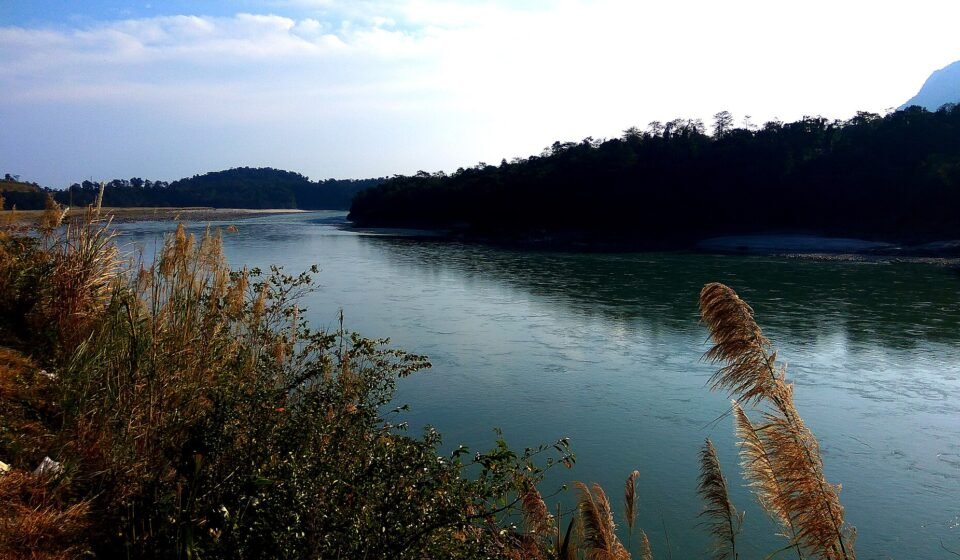
The project is also linked to broader concerns about water resources and developments along the Yarlung Tsangpo River in Tibet, which flows into India as the Siang before joining the Brahmaputra system.
Indian authorities have viewed major hydropower infrastructure in the region through the lens of energy security and developments upstream. Supporters of the proposed project argue that it could contribute substantial electricity generation and strengthen water-management capabilities.
However, the scale of the proposal also makes environmental scrutiny and local consultation particularly important. Large dams can alter river flows, affect habitats and fisheries, require land acquisition and create difficult questions about the relocation or compensation of affected households. The extent of these effects must be established through project-specific assessments rather than assumptions.
The controversy illustrates the challenge of balancing national infrastructure objectives with the rights and concerns of communities living closest to a proposed development. If local residents believe that their concerns are being ignored, opposition may become harder to resolve. Conversely, credible assessments, accessible information and meaningful participation could help establish a more informed discussion about the project’s future.
What Happens Next?
The immediate priorities are to restore public order, protect residents and public facilities, establish the extent of the damage and investigate the violence. Authorities will also face pressure to address the demands raised by organisations opposing the project.
The state government’s invitation to talks could provide a route towards de-escalation, but the outcome will depend on whether both sides are prepared to engage on the substantive issues behind the protests.
For the project itself, the unrest highlights the importance of explaining its technical plans, potential environmental effects, land requirements and rehabilitation proposals in terms that affected communities can examine. A clear consultation process may also help distinguish concerns that can be addressed through safeguards from objections that relate to the project’s fundamental acceptability.
The violence has not, by itself, determined the future of the Siang Upper Multipurpose Project. It has, however, made the question of public trust central to the debate. How authorities and community representatives respond in the coming days could influence both the security situation and the prospects for further discussion.