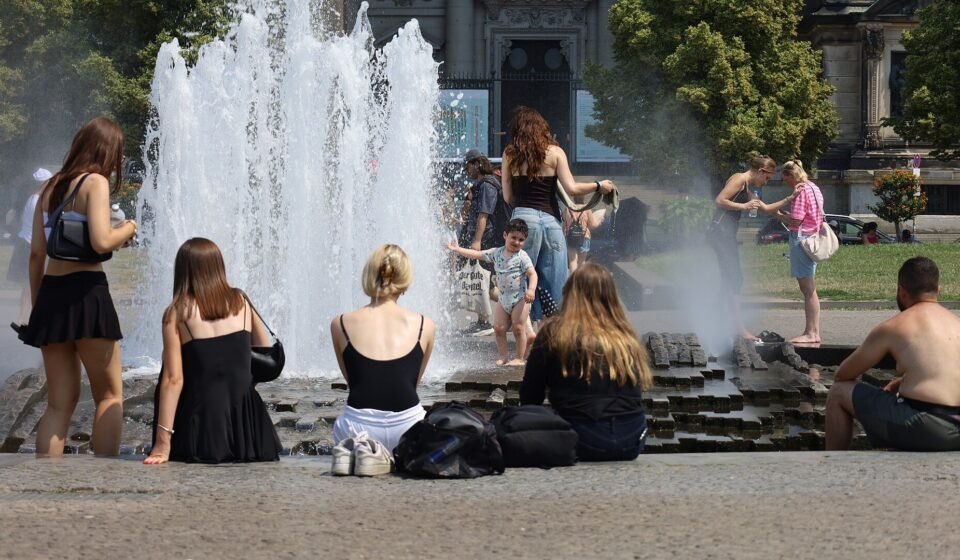

Europe’s summer of 2026 has left a devastating public-health toll, with researchers estimating that extreme heat contributed to around 50,000 deaths across the continent. A scientific analysis suggests that human-caused climate change was responsible for roughly two-thirds of the estimated fatalities, highlighting the growing health risks associated with rising temperatures.
The findings underline how prolonged periods of extreme heat can become a major threat to human life, particularly in densely populated cities and among older people. Researchers say that climate change has made severe heat more intense or more likely, increasing the risks faced by communities during the hottest months of the year.
The figure represents a statistical estimate rather than a count of death certificates explicitly listing heat as the cause. Heat can worsen existing illnesses, including cardiovascular and respiratory conditions, making its full impact difficult to measure through routine mortality records alone.
A summer with a heavy human cost
Between June and August, several parts of Europe experienced prolonged spells of unusually high temperatures. The heat placed additional pressure on public-health services and exposed the vulnerability of people who have limited access to cool indoor spaces.
Researchers examined mortality and temperature data from 854 European cities, covering a combined population of approximately 173 million people. Using epidemiological analysis and climate modelling, they estimated the number of deaths associated with summer temperatures and assessed how human-caused global warming influenced the outcome.
Their analysis placed the estimated heat-related death toll at around 50,000. The scale of the losses demonstrates that extreme heat is not simply a matter of discomfort or temporary disruption. It can become a serious public-health emergency, particularly when high temperatures persist for days and nights.
How climate change increased the danger
The researchers estimated that approximately 32,619 of the deaths—around two-thirds of the total—were attributable to human-induced climate change.
The underlying mechanism is straightforward: burning coal, oil and natural gas releases greenhouse gases that trap additional heat in the atmosphere. As the planet warms, extreme temperatures become more likely in many regions, and some heatwaves become more intense than they would have been in a climate without human-caused warming.
This does not mean climate change was the sole factor in every individual death. Age, underlying health conditions, housing quality, local temperatures and access to healthcare can all influence a person’s risk. The attribution figure is a model-based estimate of the additional mortality associated with the influence of climate change across the studied population.
The findings add to scientific evidence that global warming is increasing the dangers posed by extreme heat, especially in regions where populations are not fully prepared for prolonged hot weather.
Older people face particularly high risks
Older adults are among the groups most vulnerable to extreme heat. The body’s ability to regulate temperature can become less effective with age, while chronic illnesses and certain medications may increase the danger.
People living alone, those with limited mobility and individuals without reliable access to air conditioning or other cooling facilities may face additional risks. However, heat-related illness can affect younger people too, especially those working outdoors, exercising in high temperatures or living in poorly ventilated buildings.
High temperatures can cause dehydration and heat exhaustion, and severe exposure may lead to heatstroke, a potentially life-threatening emergency. Heat can also place extra strain on the heart and circulatory system, worsening some pre-existing conditions.
Public-health specialists therefore stress that heat protection should not be limited to emergency medical treatment. Identifying vulnerable residents before a heatwave begins, communicating warnings clearly and ensuring access to cooler environments can help reduce preventable harm.
Cities need stronger heat protection
Urban areas can become especially dangerous during heatwaves because buildings, roads and other surfaces absorb and retain heat. Limited vegetation and the concentration of buildings can prevent some neighbourhoods from cooling down effectively after sunset.
Measures such as planting trees, expanding shaded public spaces, improving building insulation and creating accessible cooling centres can help reduce exposure. Cities can also strengthen early-warning systems and coordinate health services, emergency responders and social-care organisations before temperatures rise.
Employers may need to adjust outdoor working hours, provide drinking water and ensure adequate rest breaks during extreme heat. Hospitals and care facilities can also prepare for increased demand during prolonged hot spells.
These measures are particularly important for people who cannot easily change their working conditions or afford energy-intensive cooling at home.
Prevention requires long-term action
Adaptation can reduce immediate dangers, but it cannot replace efforts to limit further global warming. Reducing greenhouse gas emissions, improving energy efficiency and expanding cleaner energy sources are important parts of a broader strategy to reduce future climate risks.
The latest estimates also underline the importance of reliable mortality monitoring. Because heat-related deaths may be recorded under other medical causes, improved health data can help authorities understand the scale of the problem and direct resources towards the communities most at risk.
Europe’s experience in 2026 serves as a warning that extreme heat must be treated as a recurring public-health challenge rather than an isolated weather event. Better preparedness can save lives in the short term, while sustained climate action can help limit the severity of future risks.
The central message is clear: protecting people from extreme heat requires early warnings, resilient cities, accessible healthcare and continued action to address the causes of global warming.