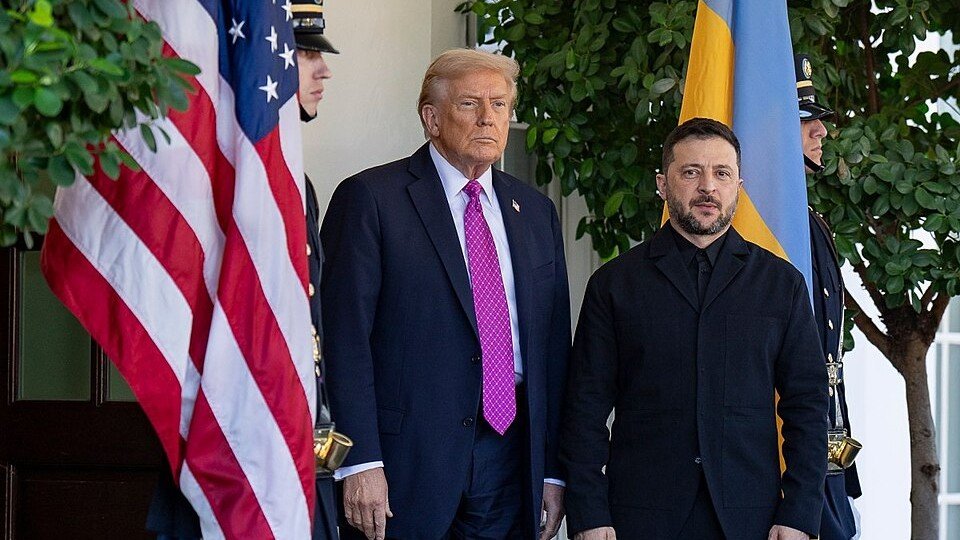
Trump-Zelenskyy Rift Deepens as Washington Eases Russia Pressure and Ukraine Fears Losing Support

Relations between the United States and Ukraine have deteriorated sharply after President Donald Trump criticised Ukrainian President Volodymyr Zelenskyy, suggested that Kyiv should choose another negotiator and eased certain economic measures against Russia. The developments have raised fresh concerns in Ukraine about the reliability of American support as the war with Moscow continues.
The latest dispute centres on disagreements over how to end the conflict, attacks on Russian energy infrastructure, intelligence-sharing claims and Washington’s efforts to manage rising fuel prices. Kyiv fears that concessions to Moscow could weaken Ukraine’s position, while the Trump administration says its priority is bringing the war to an end.
Trump Questions Zelenskyy’s Role in Peace Negotiations
Trump said on Monday that it might be time for Ukraine to appoint someone else to negotiate an end to the war with Russia. His comments represented another public challenge to Zelenskyy, whose relationship with the US president has repeatedly been strained.
Trump has criticised Ukraine’s attacks on Russian oil refineries, arguing that they contribute to higher energy prices. He has also portrayed Zelenskyy as an obstacle to reaching a settlement, while saying Washington remains committed to diplomatic efforts.
For Kyiv, the suggestion of replacing its negotiator raises concerns about whether the US administration is prepared to continue working with Ukraine’s elected leadership on terms acceptable to the country.
Ukraine has maintained that any settlement must account for its security and Russia’s continuing military operations. Zelenskyy has also opposed arrangements that could allow Moscow to benefit from continued attacks while Ukraine is pressured to limit its own operations.
Washington Relaxes Pressure on Moscow
The dispute has intensified following US decisions to waive or delay certain Russia-related sanctions and tariffs and pursue an arrangement involving Russian diesel supplies.
The administration has presented its approach as an effort to manage energy costs and maintain diplomatic channels with Moscow. Critics, including some supporters of Ukraine in the US Congress, have questioned whether easing economic pressure could provide Russia with additional resources to sustain its war.
Zelenskyy has argued that relaxing restrictions undermines efforts to hold Russia accountable for its invasion. Ukrainian officials fear that a reduction in economic pressure could weaken Kyiv’s negotiating position without securing meaningful concessions from the Kremlin.
The decisions do not, by themselves, establish that Washington has abandoned Ukraine. However, they have added to uncertainty about the future direction of US policy.
Dispute Over Intelligence Sharing
Another source of tension is the status of US intelligence support, which helps Ukraine identify and respond to Russian missile threats.
Zelenskyy said in a recent television interview that intelligence sharing had briefly been interrupted but had subsequently resumed. US Secretary of State Marco Rubio rejected that account on October 19, saying there had been no pause in intelligence sharing.
The conflicting statements have fuelled questions about communication between Washington and Kyiv. Ukraine depends heavily on intelligence from the United States to track Russian attacks, making any interruption potentially significant for its air-defence operations.
Separately, Zelenskyy raised concerns about restrictions affecting Ukraine’s access to Starshield, a secure satellite communications system operated by SpaceX for military and government users. US officials have denied that Washington deliberately restricted the service as part of a broader effort to pressure Ukraine.
The intelligence and satellite disputes remain contested, and public statements from the two governments have not resolved all questions about the precise circumstances.
Energy Prices Are Influencing US Policy
Energy costs have become a major factor in the diplomatic disagreement. Trump has blamed Ukrainian strikes on Russian refineries for contributing to higher fuel prices in the United States and has sought additional supplies to ease pressure on consumers.
However, the recent increase in global energy costs has also been linked to the wider conflict involving Iran and disruptions to important oil and gas infrastructure and shipping routes.
The administration’s attempt to balance domestic fuel prices with pressure on Russia has created a difficult policy choice. Measures intended to improve energy availability could also reduce the economic pressure on Moscow that Ukraine and its supporters consider important to ending the war on acceptable terms.
Ukraine Looks to Europe for Continued Support
The worsening relationship with Washington has increased the importance of Ukraine’s ties with European governments. European countries have provided military, financial and diplomatic assistance, although their ability to replace every form of American support remains limited.
US intelligence, military technology and weapons supplies remain important to Ukraine’s defence against Russian missile and drone attacks. Any sustained reduction in American assistance could therefore create additional challenges for Kyiv, particularly as winter approaches and Russia continues to target energy infrastructure.
Ukraine has continued to engage with US representatives despite the public disagreements. Further diplomatic contacts are expected as both sides attempt to keep negotiations open.
What the Dispute Means for the War
The latest developments reveal a widening gap between Washington’s push for a negotiated settlement and Kyiv’s insistence that any agreement must protect Ukraine from renewed Russian aggression.
Trump’s willingness to ease selected economic restrictions and his criticism of Zelenskyy have prompted concerns among Ukraine’s supporters. At the same time, the US administration maintains that diplomatic engagement with Moscow is necessary to end the conflict.
Whether the deterioration in relations leads to a lasting change in US assistance remains uncertain. The next round of talks, decisions on sanctions and the practical continuity of intelligence and military support will help determine how much the dispute affects Ukraine’s position in the war.