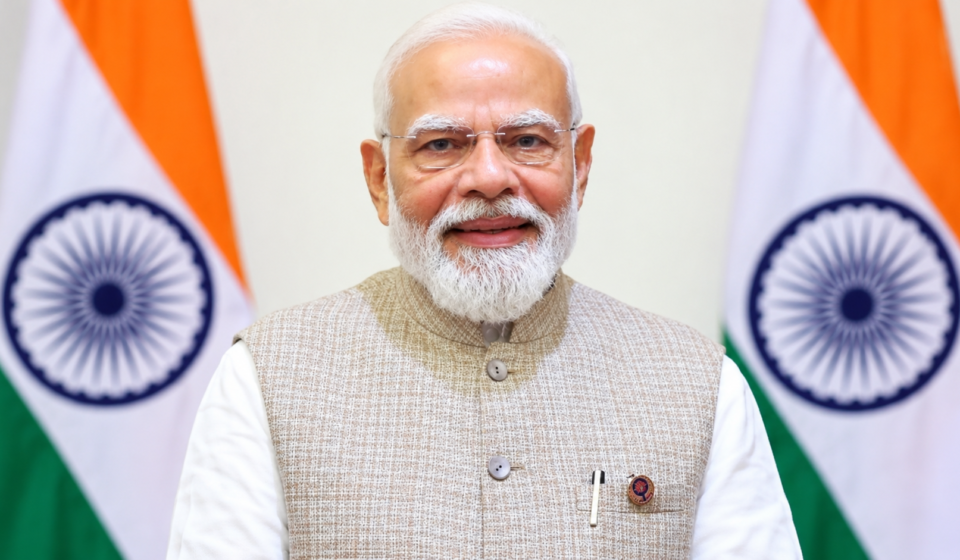

Nari Shakti Vandan Amendment is the “demand of the hour,” Prime Minister Narendra Modi said in a video message ahead of Parliament’s special session, reaffirming the government’s commitment to women’s reservation and declaring its resolve “invincible.” His remarks come as the Centre prepares to advance legislation linking the implementation of a 33 per cent quota for women in legislatures with a proposed delimitation exercise.
Key Highlights
• Modi described the Nari Shakti Vandan Amendment as a timely necessity and said the government’s commitment to women’s representation remains firm.
• The proposed legislative package seeks to advance 33 per cent reservation for women in the Lok Sabha and state assemblies.
• Parliament’s special session is scheduled to begin on November 30, with the bills expected to be debated.
• Opposition parties have raised concerns about the proposed delimitation process and its possible effects on states’ representation.
Modi Reaffirms Commitment to Women’s Reservation
In his video message, Modi said the effort to secure greater participation for women in India’s political institutions had continued for decades. He said he had also been involved in efforts to advance the issue and reiterated that the BJP-led National Democratic Alliance remained committed to women’s empowerment.
The prime minister argued that national interest should take precedence over party considerations. He said that when political interests are placed above national priorities, women’s empowerment and the country’s broader interests suffer. He described the proposed amendment as a “demand of the hour” and said the resolve to fulfil the promise was “invincible.”
Modi’s message also sought to reassure women that the government would continue working to remove obstacles to reservation. He said the parties opposing the proposal would not be able to prevent women from increasing their participation in Parliament and state legislatures.
What the Proposed Amendment Seeks
The government’s renewed legislative effort is connected to the implementation of the 33 per cent reservation for women in the Lok Sabha and state legislative assemblies. The Nari Shakti Vandan Act was passed in 2023, but its implementation was linked to a future Census and delimitation exercise.
The new proposal seeks to alter that pathway by tying women’s reservation to a broader restructuring of legislative representation. Reports on the constitutional amendment package say it proposes increasing the maximum strength of the Lok Sabha to 850 and the ceiling for state assemblies to 650. The government has argued that expanding the number of seats would allow the reservation to be implemented while accommodating changes in representation.
The proposal is not limited to the women’s quota alone. Delimitation involves redrawing constituency boundaries and determining how seats are distributed. That makes the debate significant for both women’s political representation and the balance of representation among states.
Special Session and Political Debate
The special session of Parliament is scheduled to begin on November 30. The government is expected to introduce the legislative proposals during the sitting, making women’s reservation and delimitation central issues in the parliamentary debate.
Opposition parties have questioned the government’s decision to link the women’s quota with delimitation. Their concerns include the possible impact of redrawing constituencies on the political representation of states. They have argued that the details of the proposed exercise need scrutiny, while the government has presented the changes as a way to move forward with women’s reservation.
The political response has not been uniform. Some regional parties have indicated support for the revised proposals, while Congress and other INDIA bloc parties have opposed the government’s approach. The debate therefore involves both the broad objective of increasing women’s representation and disagreement over the mechanism proposed to achieve it.
Why Delimitation Matters
Delimitation determines constituency boundaries and can affect how representation is distributed across regions. Any change to the number of seats or their allocation can have consequences for state-level political influence and the composition of legislatures.
The government’s proposal comes amid long-running debate over how to account for population changes while maintaining a balance among states. Reports say the package would increase the number of seats and freeze the revised strength until 2051. Supporters argue that a larger House could accommodate women’s reservation and improve representation, while critics question whether the proposed process could alter the balance among states.
These questions mean the parliamentary discussion is likely to extend beyond the principle of women’s reservation. Members will also examine the proposed constitutional changes, the timing of implementation and the implications of delimitation for federal representation.
The Road Ahead for Women’s Representation
The government’s stated aim is to fulfil the commitment to reserve one-third of seats for women in legislatures. Modi’s latest message frames the issue as a national priority and calls on political parties to look beyond partisan divisions. The coming session will test whether that appeal can translate into support for the proposed legislation.
The outcome will depend on parliamentary debate and the support required to pass constitutional amendments. The government has expressed confidence in its commitment, but opposition concerns over delimitation remain a significant part of the political contest. Until the legislation is passed and its implementation details are settled, the timeline and practical effects of the proposed changes remain uncertain.
Strategic & Future Implications
Modi’s remarks place women’s political representation at the centre of the government’s legislative agenda ahead of the special session. By describing the amendment as the “demand of the hour,” he is urging political parties to treat the issue as a national commitment rather than a partisan dispute. Yet the proposal’s connection to delimitation means that the debate will also involve constitutional design, state representation and the distribution of political influence.
The next stage will be shaped by Parliament’s examination of the bills and the response of parties across the political spectrum. The principle of expanding women’s participation has broad significance, but agreement on the method and timing of implementation remains contested. The special session is therefore likely to be a key test of whether the government can secure legislative support while addressing concerns about delimitation and federal balance.