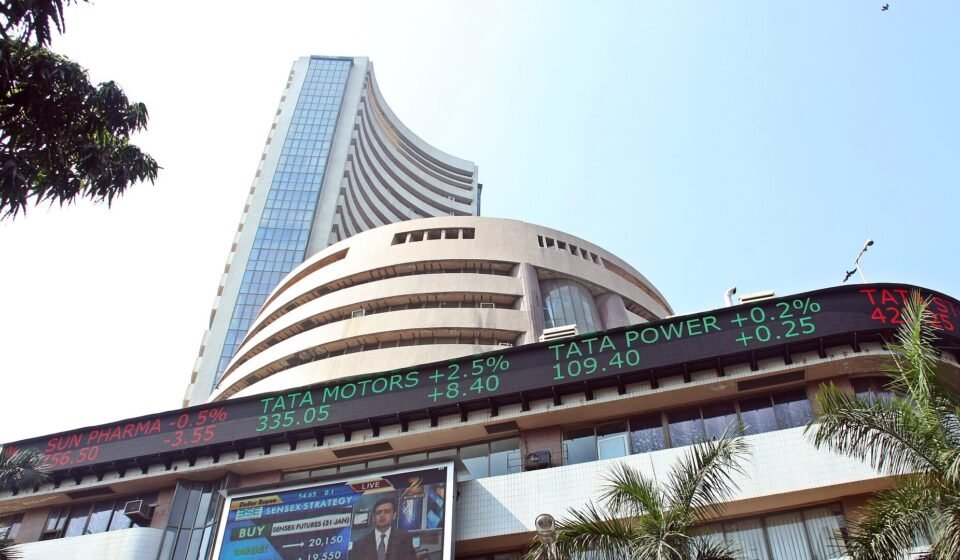

Indian equity markets are poised for a potentially positive start on Thursday, November 26, after a sharp recovery in the previous session. GIFT Nifty indicated a higher opening for the Sensex and Nifty 50, while Asian markets were trading mostly higher. However, renewed US tariff proposals, pressure on technology shares and movements in crude oil and gold could influence sentiment through the day.
The market’s opening direction will not necessarily determine its closing trend. Investors will be watching whether buying continues after Wednesday’s rally and whether global developments add to or reduce uncertainty.
Key Highlights
• GIFT Nifty signalled a higher opening for domestic benchmark indices.
• Sensex and Nifty 50 rose about 1.8% each in the previous session.
• New US tariff proposals remain a source of uncertainty for global markets.
• Asian shares were higher, while US indices ended mixed.
• Crude oil, gold prices and foreign investor flows may affect trading sentiment.
1. GIFT Nifty points to a positive start
GIFT Nifty was trading around 26,071 in early indications, at a premium of nearly 134 points to the previous close of Nifty futures. The signal suggested that domestic benchmarks could begin the session in positive territory.
GIFT Nifty is commonly monitored as an early indicator of how Indian equities may open, but it does not guarantee the direction of the full trading session. Market participants will assess whether the early strength is supported by cash-market buying once regular trading begins.
2. Asian markets offer support, but Wall Street was mixed
Asian equities traded higher on Thursday. Japan’s Nikkei 225 rose 1.80%, while the Topix gained 1.04%. South Korea’s Kospi advanced 2.05% and the Kosdaq climbed 2.49%. Hong Kong futures also pointed to a higher opening.
US markets, however, finished mixed overnight. The Dow Jones Industrial Average gained 164.25 points, or 0.33%, to close at 50,182.95. The S&P 500 slipped 0.25% to 7,182.78, while the Nasdaq Composite fell 0.62% to 23,585.80.
Selling in technology and AI-related stocks, alongside fresh tariff concerns, weighed on sentiment. The mixed US performance means Indian investors may take support from Asian gains while remaining cautious about the broader global outlook.
3. Trump’s tariff proposals remain a key risk
Trade policy uncertainty is another factor markets will track. The United States has proposed a 17% tariff on India as part of a broader framework following trade investigations. Proposals also include tariffs of up to 20% on the European Union and at least 20% on China.
The potential impact on Indian companies will depend on the final measures, the products covered and any subsequent negotiations. Until greater clarity emerges, tariff headlines may influence investor expectations around exports, corporate earnings and global trade.
Recent tariff proposals have also contributed to volatility in international markets, particularly alongside concerns about high valuations in technology stocks. Investors may therefore react to new statements or developments during the session.
4. Gold prices and US inflation expectations
Gold prices declined after US inflation data prompted markets to reassess the outlook for Federal Reserve interest rates. Spot gold fell 0.2% to around $3,578.72 an ounce, while silver rose 0.6% to $41.51.
Gold can respond to changes in interest-rate expectations, the US dollar and demand for safe-haven assets. A move in bullion prices may also affect sentiment toward related domestic stocks, although the effect on the broader market is not always direct.
Investors will be watching whether the latest price movement continues and how markets interpret incoming US economic data. Expectations for interest rates remain important for global liquidity and the valuation of equities.
5. Crude oil and foreign investor activity
Crude oil prices held gains for a second day amid concerns about possible supply disruptions. Brent crude futures rose 0.15% to $94.75 a barrel, while US West Texas Intermediate traded at $84.18, up 0.60%.
For India, sustained increases in oil prices can add pressure through import costs and inflation expectations. Any sharp movement in crude could therefore influence the rupee, company costs and market sentiment.
Foreign investor flows are another important domestic factor. Foreign institutional investors bought Indian equities on November 25, while domestic institutions were also net buyers. Those inflows helped support Wednesday’s rebound, but investors will watch whether the buying continues rather than assume it will persist.
What happened in the previous session?
Indian benchmarks staged a strong recovery on Wednesday. The Sensex gained 1,502.29 points, or 1.82%, to close at 83,938.28. The Nifty 50 advanced 469.60 points, or 1.85%, to settle at 25,819.25.
The rebound followed a sharp decline earlier in the week. Buying interest, foreign inflows and support from major banking stocks helped lift the indices. After such a strong move, traders may also watch for consolidation or profit-taking.
Strategic & Future Implications
The key question for November 26 is whether the market can sustain its recovery after the initial positive signal from GIFT Nifty. Stronger Asian trading and continued institutional buying could support sentiment, while tariff developments, technology-sector weakness or a renewed rise in crude may limit gains.
For investors, the five factors provide context rather than a guaranteed trading direction. GIFT Nifty reflects early expectations; global indices show the broader risk mood; tariffs may affect trade and earnings expectations; gold and interest rates reflect changing macroeconomic sentiment; and crude oil alongside institutional flows can influence domestic market conditions. The session’s actual trend will depend on how these forces develop after the market opens.